27++ Aldose And Ketose Structure
Aldose And Ketose Structure. Such ketoses are diminishing sugars. In this synthetic scheme, a nucleophilic cyanide ion (:cn) adds to the carbonyl.

In ketoses, carbonyl carbon has number two. In the chemical name of the sugar. 4 rows aldose is the monosaccharide that contains aldehyde group in its structure along with the carbon.
15 million merits ending reddit arbre a chat geant cdiscount 10mm vs 45 super 3x3x3 led cube arduino code download
Pin on school
Aldose structure has one carbon atom. A more common structural variation is substitution of one or more hydroxyl groups by hydrogen. Dihydroxyacetone is a common example of ketose that have three carbon atom in its structure. Aldose sugars that contain more than three carbon atoms possess.

'a' is for aldehyde in a ldose, 'k' is for ketone in the etose. An aldose is a monosaccharide with a carbon backbone chain with a carbonyl group on the endmost carbon atom, making it an aldehyde, and hydroxyl groups connected to all the other carbon atoms. An aldose sugar contains an aldehyde functional group in its structure; Ketoses can.
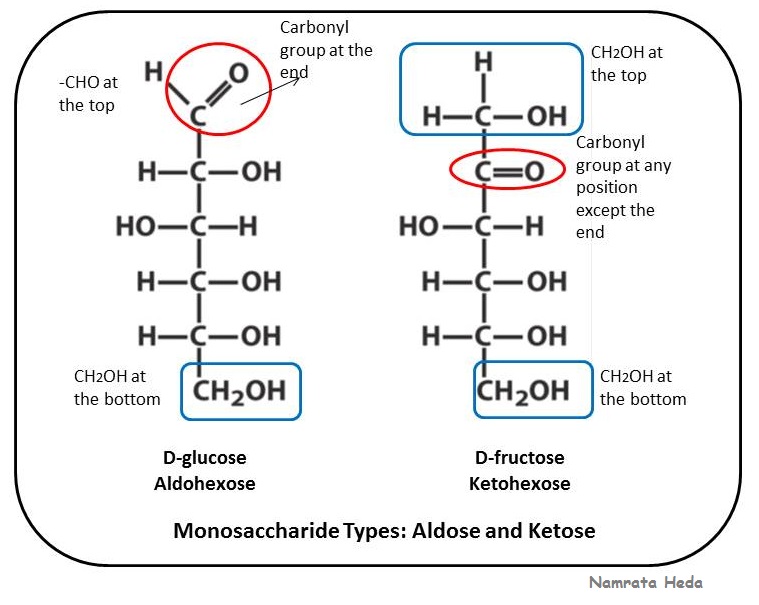
In the structures below, the aldehyde and ketone carbonyl groups have a pink highlight. Carbohydrates are just polyhydroxyaldehydes (aldoses) or polyhydroxyketones (ketoses). An aldose is defined as a monosaccharide whose carbon skeleton has an aldehyde group. In general, both aldoses and ketoses can be called monosaccharides. Ketose sugars contain ketone functional groups.

An aldose is a monosaccharide with a carbon backbone chain with a carbonyl group on the endmost carbon atom, making it an aldehyde, and hydroxyl groups connected to all the other carbon atoms. 4 rows aldose is the monosaccharide that contains aldehyde group in its structure along with the carbon. In the structures below, the aldehyde and ketone carbonyl groups.

In this synthetic scheme, a nucleophilic cyanide ion (:cn) adds to the carbonyl. This is the main difference between aldose and ketose. A more common structural variation is substitution of one or more hydroxyl groups by hydrogen. Aldoses are monosaccharides with an aldehyde group. Carbohydrates are just polyhydroxyaldehydes (aldoses) or polyhydroxyketones (ketoses).

Ketose is the monosaccharide that contains ketone group along with the carbon chain. In this synthetic scheme, a nucleophilic cyanide ion (:cn) adds to the carbonyl. In general, both aldoses and ketoses can be called monosaccharides. First, let’s revisit the difference between an aldehyde and a ketone: An aldose sugar contains an aldehyde functional group in its structure;
An aldose is defined as a monosaccharide whose carbon skeleton has an aldehyde group. • ketoses form hemiketal rings and aldoses form hemiacetal rings. Therefore, aldoses are monosaccharides containing aldehyde groups at the end of the carbon chain whereas ketoses are monosaccharides containing ketone groups in the carbon chain. In this synthetic scheme, a nucleophilic cyanide ion (:cn) adds to.